Academics
What quality education looks like at Keti
Quality education is not defined by examinations alone. At Keti, it is the combination of good teachers, thoughtfully designed learning environments, manageable class sizes, a strong curriculum, appropriate learning materials, individual attention, creativity, physical development, character and a culture in which children feel safe, respected and eager to learn.
Learning environments designed for children
The learning environment is itself part of the education
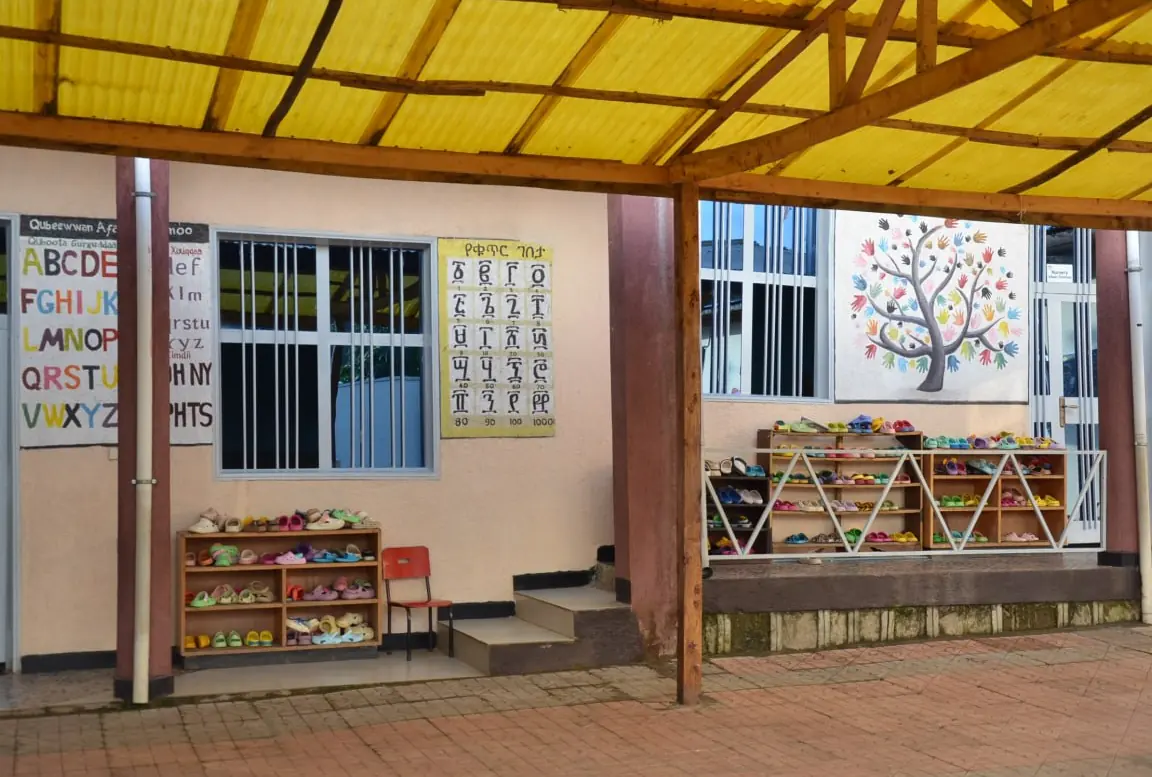
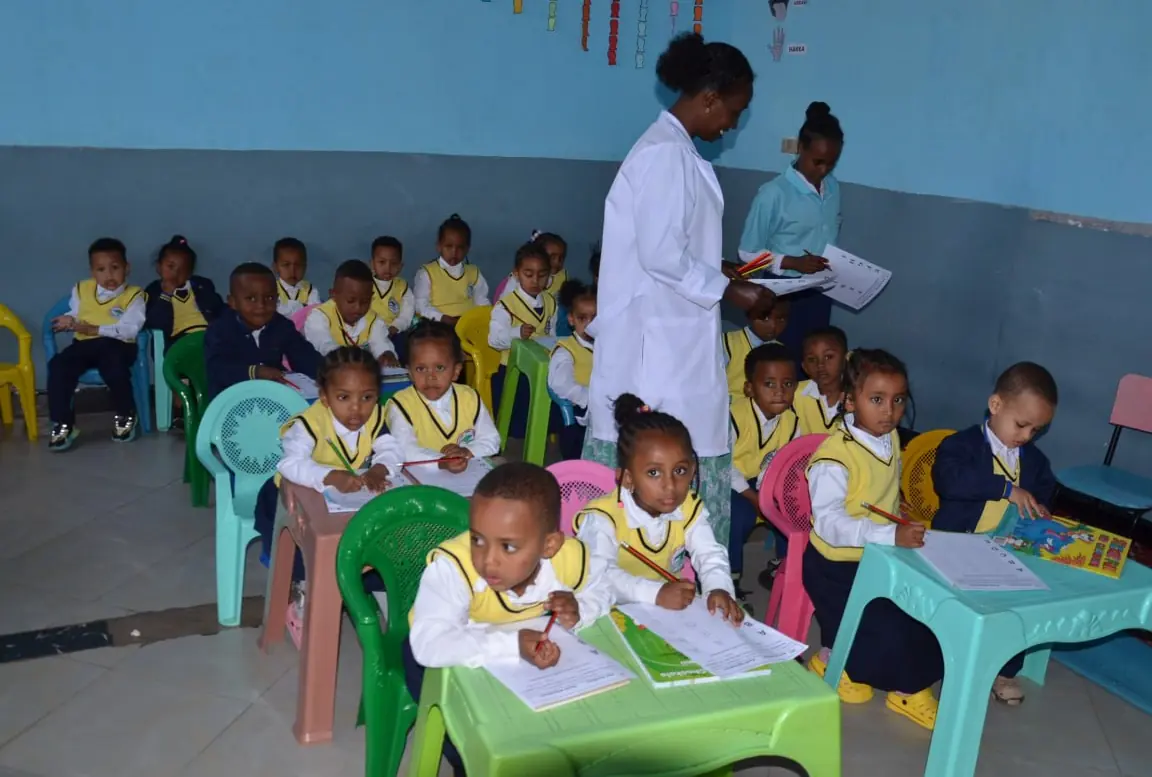
Keti classrooms and learning spaces are designed around the age and developmental needs of children. We invest in welcoming classrooms, custom-built child-appropriate furniture, good lighting and ventilation, safe movement, accessible facilities and attractive surroundings.
Learning also extends into libraries, ICT and STEM spaces, gardens, playgrounds, sports and outdoor environments.
Classes where children can be known
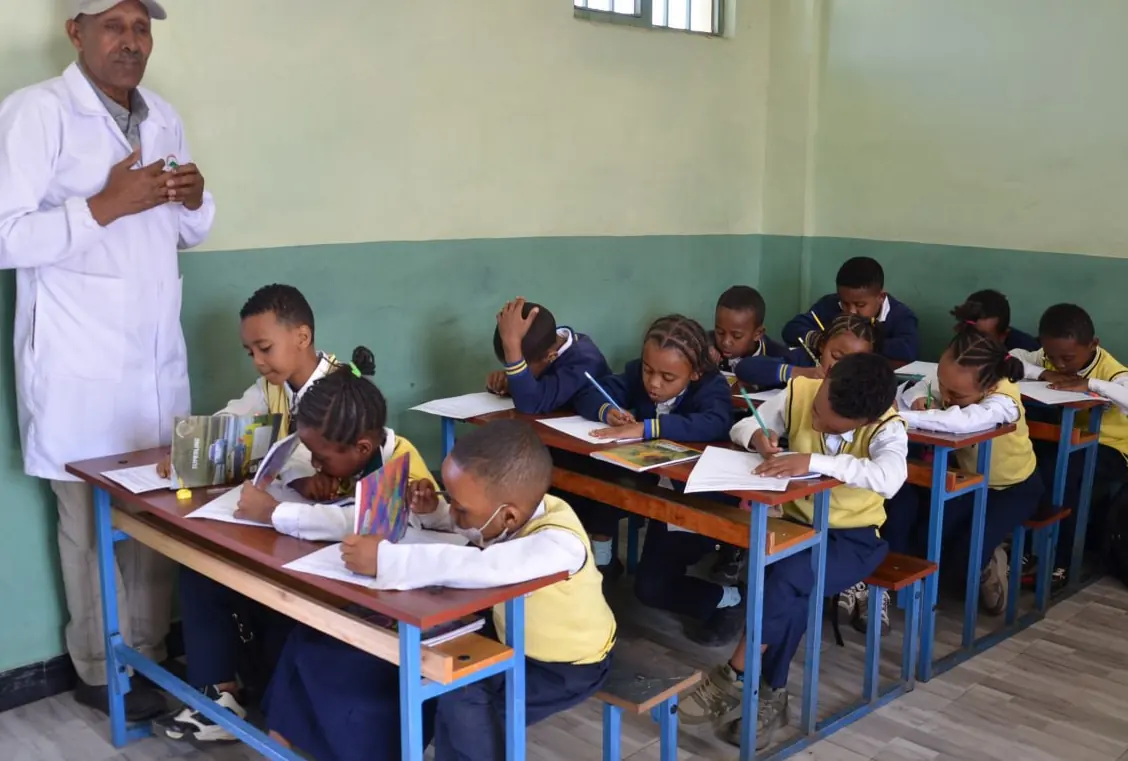
Keti maintains a maximum of 30 students per classroom. Manageable class sizes help teachers know students, monitor progress, identify difficulties, encourage participation and provide meaningful feedback.
Quality teachers
Great education requires great teachers
Keti seeks teachers with strong subject knowledge, preparation, professionalism, care for children and a commitment to continuous learning.
We invest in training, mentoring, collaboration and professional development. Teachers are expected to prepare carefully, teach actively, assess learning, support students who struggle and continue improving their practice.
Ethiopian national curriculum, enhanced
National curriculum + Keti enrichment
Keti follows the Ethiopian national curriculum and applicable standards and assessments. We enrich this foundation through additional emphasis on languages, science, technology, STEM, reading, arts, creativity, physical education and practical learning.
Strong language development
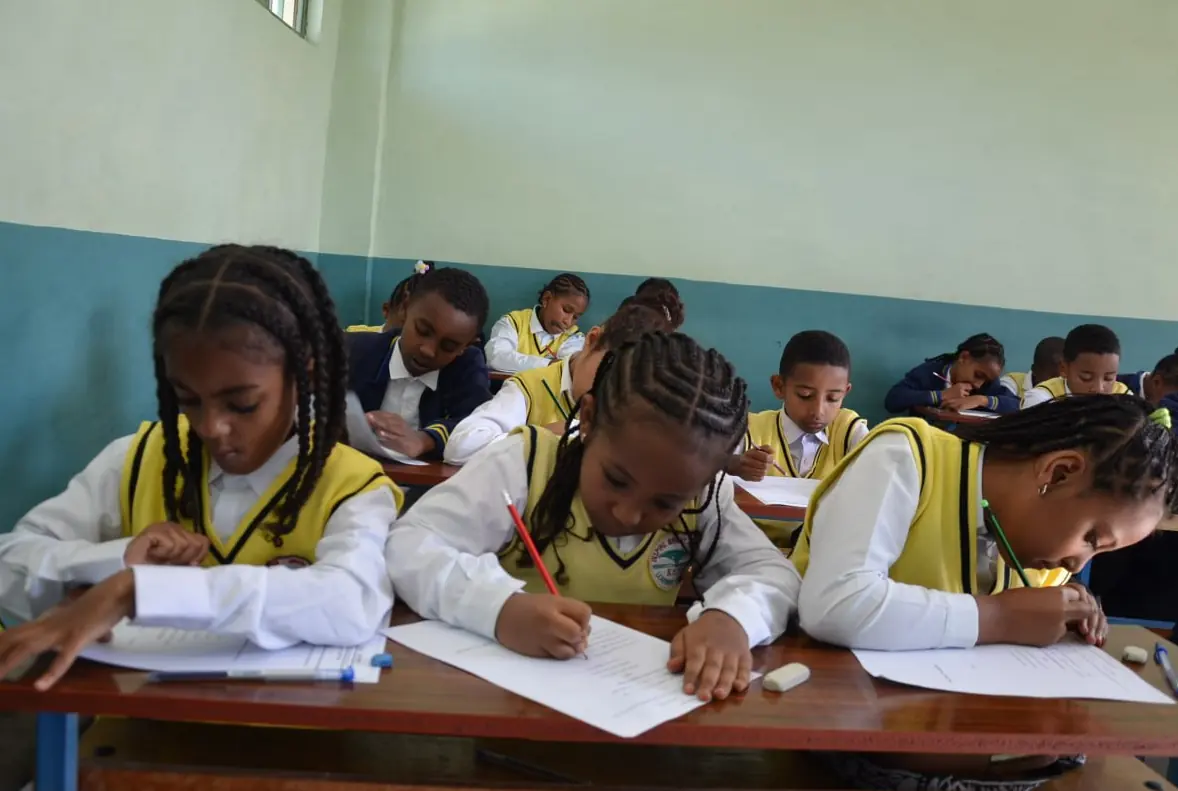
Language learning includes reading, writing, speaking, listening, comprehension and confident communication. We want students to read widely, discuss ideas, write, present and use language authentically.
Keti intends to continue strengthening English enrichment through conversation, reading, storytelling, writing, presentations and appropriate contributions from qualified national and international volunteers.
Science, STEM & technology
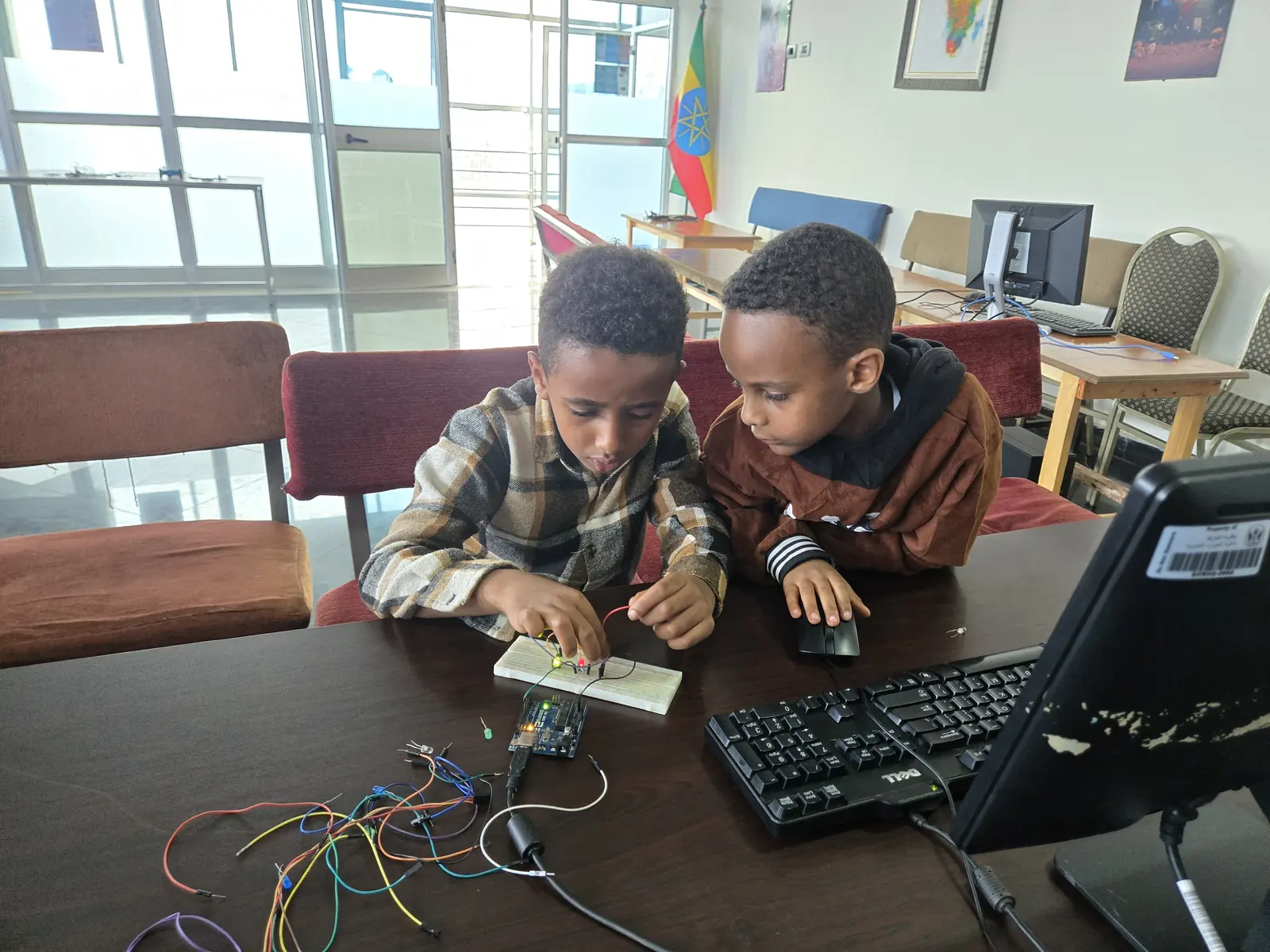
Learning by asking, building, testing and discovering. Students should have opportunities to experiment, observe, solve problems, use digital tools, build projects and learn through hands-on experience.
- Ask questions
- Form ideas
- Experiment
- Observe
- Solve
- Explain
Reading & library
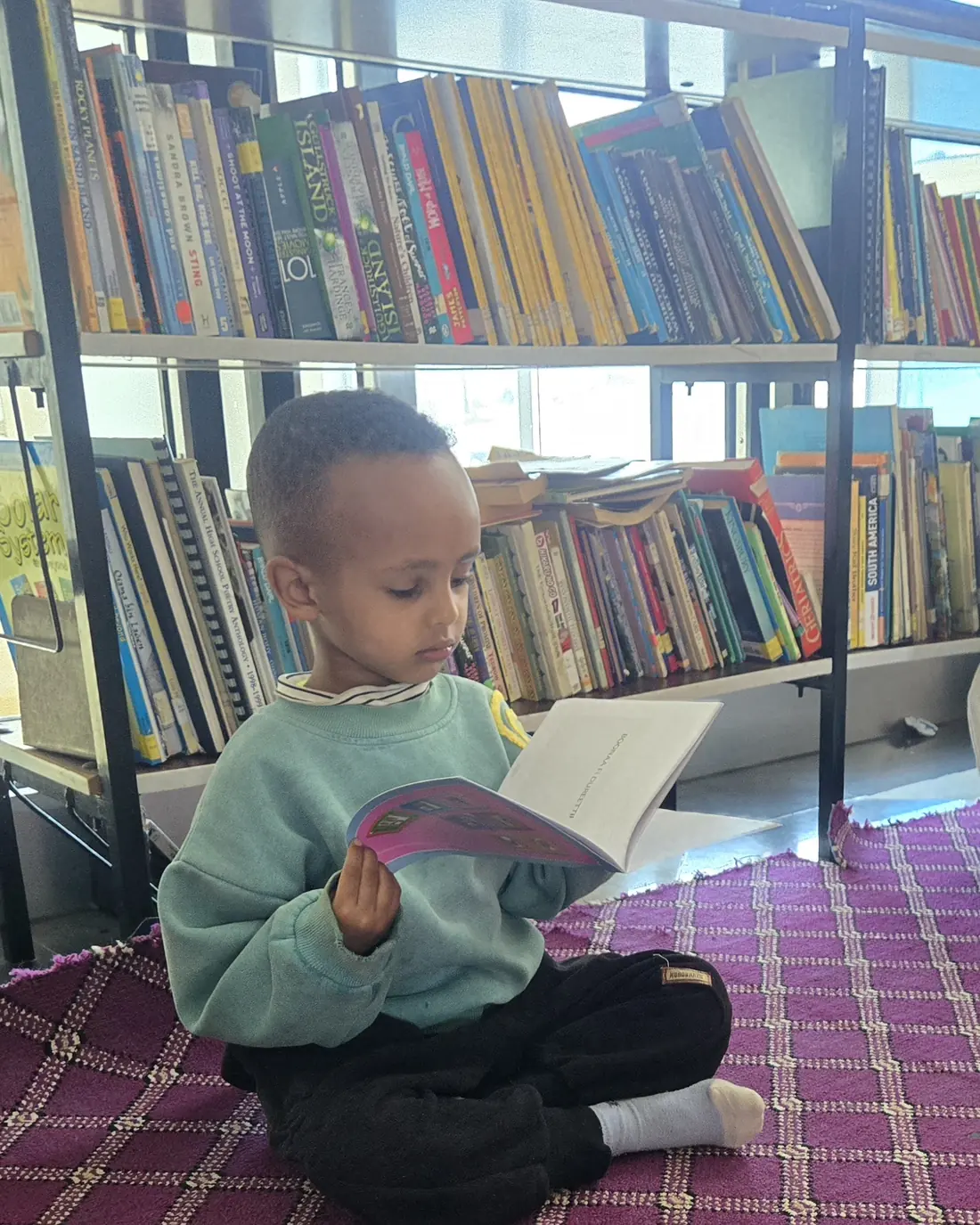
Reading is fundamental to academic success, but its value goes far beyond examinations. Keti encourages independent reading, storytelling, research and exploration through school library resources and reading programs.
Learning beyond Keti. The Keti Community Library provides a modern, welcoming place for young people, students, professionals and other Assela community members to read, study, research and continue learning. A strong school should help build a stronger learning community around it.
Visit Keti Community Library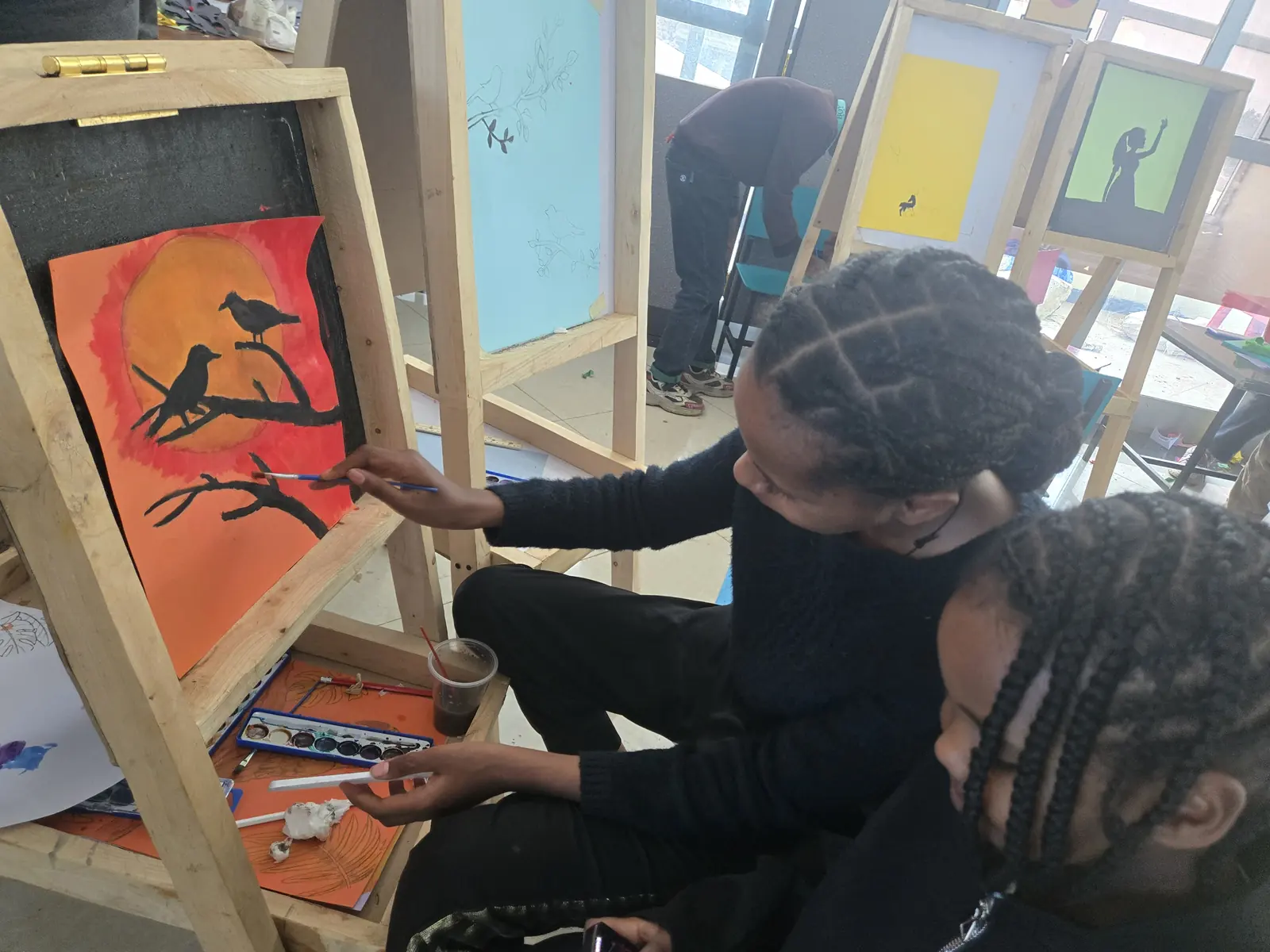
Arts & creativity
Drawing, painting, crafts, music, performance and other creative activities help students develop imagination, confidence, fine-motor skills and new ways to express themselves and excel.
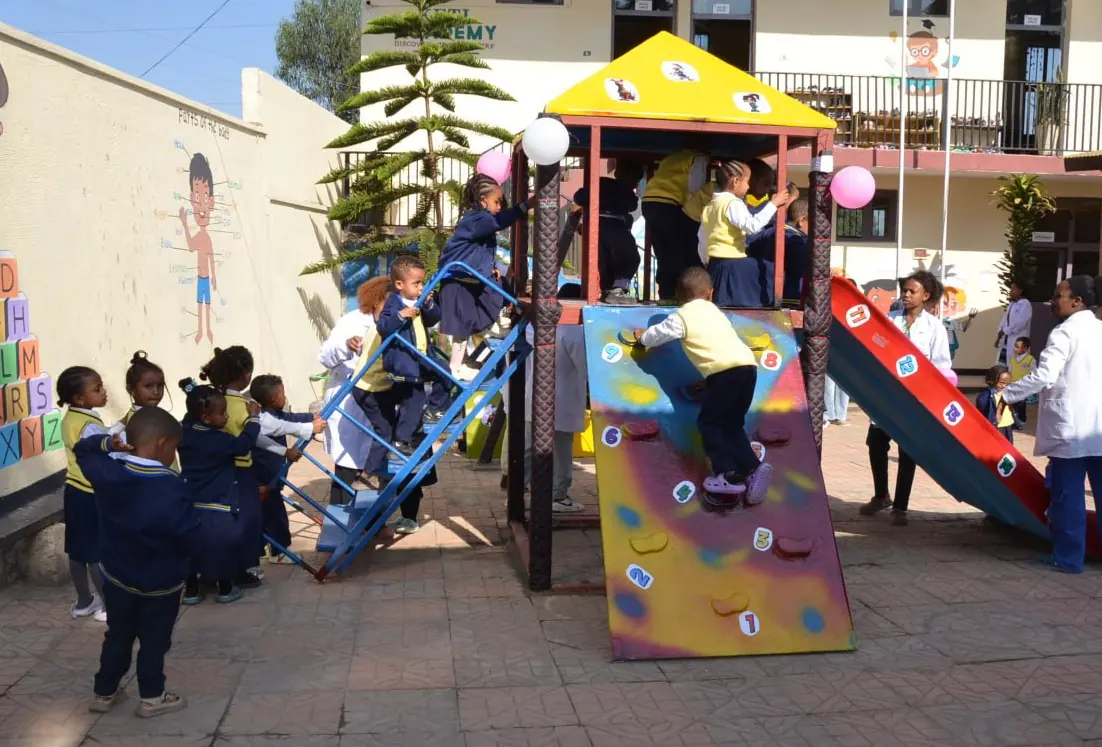
Physical development & sport
Physical education, games, outdoor play and sport support fitness, coordination, teamwork, discipline, confidence and healthy habits. For young children, movement and outdoor play are part of learning.
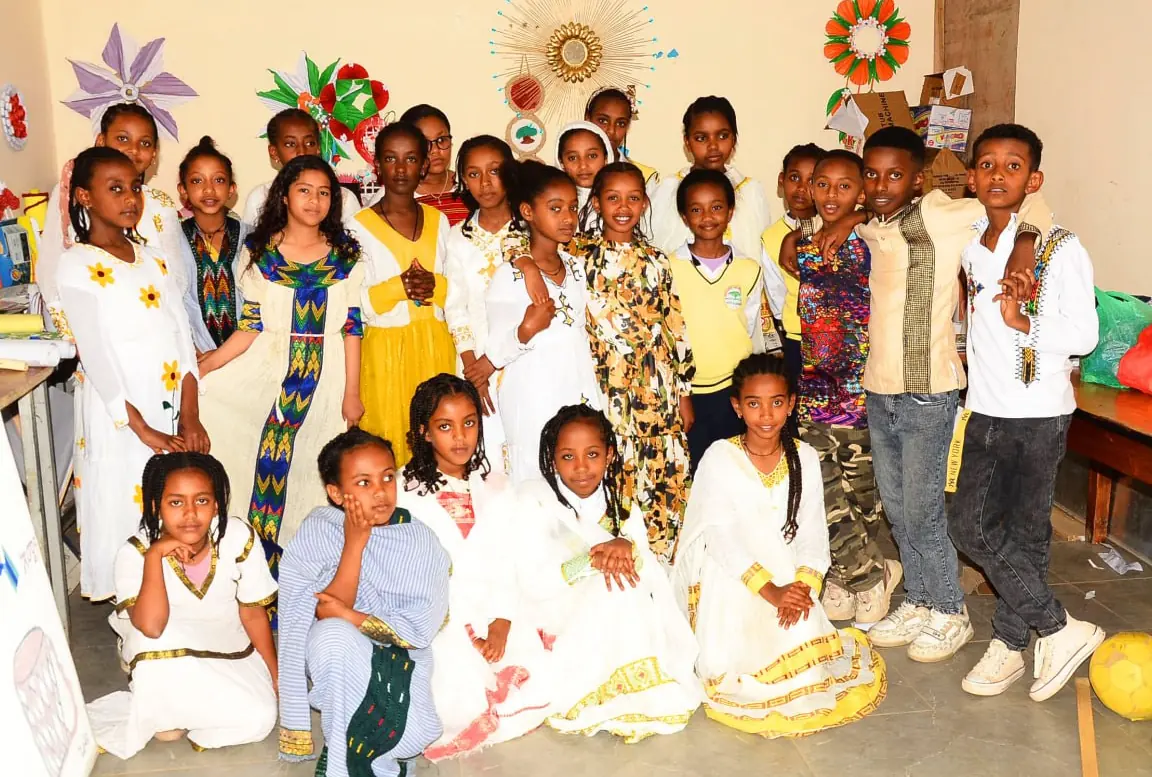
Character & responsibility
Keti seeks to develop knowledgeable young people who are also responsible, respectful, honest and compassionate. Character is practised in classrooms, playgrounds, sports, environmental care, teamwork and service.
Safe, welcoming & respectful
Children should feel welcomed, respected, protected and encouraged
Physical safety includes thoughtful campuses, classrooms, playgrounds, transportation and movement. Emotional safety means children can ask questions, make mistakes and seek help without humiliation or fear.
Assessment for learning
Understanding what students have learned, and what should happen next
Keti uses classroom assessment, assignments, observation, examinations and other appropriate methods to understand what students have learned, where they are struggling and what should happen next.
Parents should receive meaningful information about progress, and teachers should use assessment results to improve instruction.
Keti quality education model
Children prepared to discover, grow and inspire
- Quality teachers
- ≤30 students per class
- Child-centred learning environments
- National curriculum
- Enrichment
- Languages & reading
- Science, STEM & technology
- Arts & creativity
- Sport & physical development
- Character & responsibility
- Safe, welcoming school
- Assessment & continuous improvement